Deep Cleaning in W1W
If you’re looking for deep cleaning in W1W, you’re probably dealing with more than a quick tidy-up. Maybe your flat needs a proper reset after a busy few months, your office has built up dust in the corners, or you’ve moved into a property that needs attention in all the places a standard clean doesn’t usually reach. In a central London area like W1W, where homes and workplaces are often compact, busy, and constantly in use, a deeper level of cleaning can make an immediate difference to comfort, hygiene, and how a space feels day to day.
W1W covers part of the wider Marylebone and Fitzrovia area, with a mix of elegant period buildings, modern apartments, serviced residences, small offices, clinics, studios, and retail spaces. That variety matters because no two properties clean the same way. High ceilings, sash windows, ornate details, shared entrances, limited storage, and busy footfall all create different cleaning needs. A local team that understands the area can work around access, timing, and property type far more effectively than a one-size-fits-all approach.
This page is here to help real customers decide whether a deep clean is right for them, what it typically includes, how the process works, and what to consider before booking. Whether you’re a homeowner, tenant, landlord, facilities manager, or business owner, the goal is the same: a thorough, practical, and reliable clean that restores your space and makes it easier to maintain afterwards.
Why deep cleaning matters in W1W
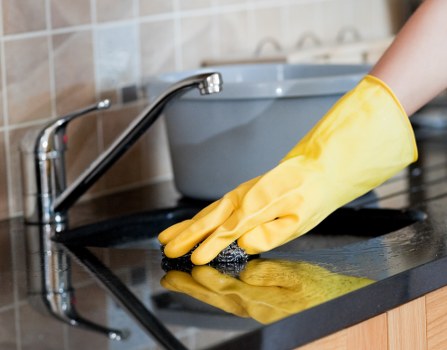
In an area as active as W1W, surfaces collect dust, grease, and everyday grime quickly. Homes near busy roads can pick up more airborne particles. Kitchens and bathrooms in apartments can show limescale and build-up fast. Offices and commercial spaces with regular visitors often need extra attention in shared touchpoints, floors, and washrooms. A standard clean can keep things presentable, but deep cleaning in W1W is designed to target the areas that are often missed in routine maintenance.
For local residents, this can be especially useful before or after an event, after renovations, at the end of a tenancy, or when the property simply needs a reset. For businesses, a deeper clean can help create a more polished, more comfortable environment for staff and visitors. It can also support better hygiene standards in places where presentation and cleanliness matter every day.
Another important factor is property variety. Some W1W buildings have narrow staircases, lift access only at certain times, concierge arrangements, or shared hallways that require care. A local service team is often better prepared for these realities because they work in the area regularly and understand how to plan the job around them.
What a deep clean typically includes

A deep cleaning service is usually more detailed than routine housekeeping. It focuses on the build-up that accumulates over time and the areas that need extra effort to get properly clean. The exact scope can vary depending on the property and your priorities, but a full service usually covers the main living or working zones as well as the hidden spots that are easy to overlook.
Typical tasks may include:
- Thorough dusting of skirting boards, ledges, shelves, fixtures, and fittings
- Cleaning behind and around accessible furniture and appliances
- Kitchen degreasing, including splashbacks, cupboard fronts, hobs, and extractor areas
- Bathroom descaling, sanitising, and attention to taps, tiles, grout lines, and fittings
- Vacuuming and mopping floors with extra focus on corners and edges
- Cleaning doors, handles, switches, and other frequently touched surfaces
- Wiping internal glass, mirrors, and accessible window areas
- Removing build-up from hard-to-reach areas where dust gathers
For some properties, deep cleaning can also include inside cabinets, ovens, fridges, washing machine exteriors, upholstery refresh, or additional attention in utility areas. It’s a flexible service, which means the level of detail can be adjusted to suit your home, office, or commercial premises.
If you’re preparing a property for new occupants, looking after a rental, or trying to bring a busy flat back to a fresh standard, this type of service is often the most effective option.
Common local property types and cleaning challenges
Deep cleaning in W1W often needs to respond to the specific characteristics of local buildings. The area includes a blend of older and newer properties, and each brings its own challenges. Period conversions may have decorative features, older flooring, and awkward corners. Contemporary apartments may have minimalist finishes that show dust, fingerprints, and limescale more easily. Small offices and studios can build clutter quickly, making detailed cleaning harder to keep up with.
In many W1W homes, storage is limited, which can make a full clean feel more disruptive unless it is planned carefully. In shared buildings, access times, concierge procedures, and lift bookings can affect when work can be completed. Commercial premises may need cleaning outside business hours to reduce disruption to staff and visitors. A local team used to working in central London can adapt to these requirements with less hassle.
There are also practical issues around parking and loading. In central areas, access can be tight and parking may be restricted, so timing and efficient planning matter. A local cleaning provider should understand how to work within those constraints without adding stress to your day. That kind of local knowledge is not a small detail; it can make the difference between a smooth appointment and a frustrating one.
Examples of settings that benefit from a deeper clean
- One-bedroom and studio flats that need a full refresh
- Townhouse or maisonette interiors with multiple levels
- Shared houses between tenancies
- Managed apartments and serviced residences
- Offices, studios, and consulting rooms
- Retail units, treatment rooms, and client-facing premises
What makes a local W1W cleaning team useful

Choosing a local provider for deep cleaning in W1W means more than just convenience. A team familiar with the area is better placed to understand travel times, building layouts, access arrangements, and the pace of local life. In central London, these practical factors can affect everything from arrival time to how long the job takes and what equipment is best to bring.
There is also the benefit of flexibility. If your property is near busy streets, close to transport links, or part of a development with specific entry rules, a local service can plan around those conditions. That can be especially helpful for last-minute bookings, end-of-tenancy deadlines, or pre-event preparation when timing matters.
For businesses, locality can support a more responsive service too. If your office near W1W needs a deep clean after a renovation, or your client-facing space needs detailed attention before reopening, working with a nearby team makes scheduling easier. You are more likely to get a service that understands the day-to-day reality of the neighbourhood rather than a generic checklist approach.
Why customers often prefer a local service
Practicality, first and foremost. You want a team that can arrive prepared for central London access, handle tight spaces, and work around your schedule. You also want cleaners who understand the expectations of a polished residential or commercial environment in W1W. When those details are handled well, the service feels more seamless and the results tend to last longer.
How the deep cleaning process usually works

While every property is different, most deep cleaning appointments follow a structured process so that nothing important is missed. The aim is to cover the whole space systematically, starting from higher surfaces and working down toward floors, then finishing with touchpoints and detail work. This method helps remove loosened dust and ensures each area gets proper attention.
A typical process may look like this:
- Initial assessment — The cleaner reviews the property layout, your priorities, and any problem areas.
- Preparation — Items may be moved carefully where possible, and equipment is set up for efficient access.
- Top-to-bottom cleaning — Dust, dirt, and build-up are tackled in a logical order.
- Detail work — Kitchens, bathrooms, handles, edges, and corners receive extra attention.
- Floor finishing — Vacuuming and mopping complete the process, leaving the property feeling fresh.
- Final check — The team reviews the work and focuses on any areas that need a final pass.
This structured approach is important because deep cleaning is not just about making a place look neat. It’s about reaching into the areas that routine cleans don’t usually cover and improving the overall condition of the space.
For larger or more detailed jobs, the service may be split into zones or prioritised by room type. For example, kitchens and bathrooms may need more time due to grease, soap scum, or limescale, while living rooms and bedrooms may need extra dust removal and furniture-edge cleaning.
What to expect in kitchens, bathrooms, and living areas
Kitchens and bathrooms usually take the most work during a deep clean because they collect grease, moisture, and daily residue. In kitchens, attention is often given to the hob, splashback, sink, taps, exterior cupboard surfaces, worktops, appliances, and high-touch areas. Where accessible, the inside of cupboards or appliances can also be included if requested. This is particularly useful in W1W flats where compact kitchen layouts can make dirt more noticeable.
Bathrooms often benefit from descaling, grout attention, and sanitising. Limescale around taps, shower screens, basins, and tiles can be hard to shift with a standard tidy clean. A deeper service focuses on restoring freshness and making the room feel more hygienic. In homes with repeated use by families, flatmates, or guests, this can be a significant improvement.
Living rooms, bedrooms, and hallways are usually treated with detailed dusting and surface cleaning. That can include skirting boards, lamps, shelves, window ledges, radiators, and switches. Upholstered furniture may need a surface refresh, while floors are cleaned carefully to remove dust from corners and along edges. In busy homes and small offices alike, these spaces often hold more dust than people realise.
Areas often overlooked in routine cleaning
- Behind radiators and around pipework
- Top edges of door frames and cupboards
- Light switches, handles, and control panels
- Skirting boards and trim
- Under beds, sofas, and low furniture
- High shelves and decorative ledges
Deep cleaning for offices and commercial premises in W1W

Commercial customers in W1W often need a more targeted approach than domestic clients. Offices, clinics, studios, agencies, and retail spaces each have different cleaning priorities, and a deep clean needs to support how the space is actually used. In a business setting, presentation matters, but so does hygiene in shared spaces such as kitchens, toilets, reception areas, and meeting rooms.
For offices, deep cleaning may focus on desks, shared equipment, skirting boards, floors, glass partitions, and communal touchpoints. For customer-facing premises, the service may also include front-of-house presentation, entrance areas, and visible surfaces that shape first impressions. In treatment or consultation spaces, extra attention to sanitising and detail can help maintain a professional environment.
Timing is often crucial for businesses. Some companies need cleaning early in the morning, after hours, or at quieter times to avoid disruption. A local team familiar with W1W is often better equipped to accommodate those schedules and work around building rules or access restrictions. This can be especially valuable for premises with limited parking, controlled entry, or shared building facilities.
Deep cleaning for businesses is not just about appearances. It can also support a healthier, more organised working environment and help keep high-traffic areas under control between regular maintenance visits.
Preparation checklist before your appointment
Good preparation helps the clean go smoothly and ensures the team can spend more time on detailed work rather than moving items around. You do not usually need to do much, but a few simple steps can make a real difference, especially in smaller W1W properties where space is limited.
- Remove personal items from worktops, bathroom surfaces, and floors where possible
- Secure valuables, confidential papers, and fragile belongings
- Let the team know about access instructions, building entry, or concierge procedures
- Point out any stains, damage, or areas that need priority attention
- Make sure water and electricity are available if required for the service
- Clear a path to areas that need cleaning, especially in compact flats or offices
If you’re arranging a deep cleaning service after a move, renovation, or busy period, it can also help to decide what matters most to you. For example, you might want the kitchen and bathroom prioritised, or you may need the entire property cleaned from top to bottom. Being clear early on helps the service match your expectations.
If you live in a managed building, it can be useful to confirm access rules before the appointment. That may include lift reservations, entry times, parking limitations, or delivery restrictions. These details help avoid delays and make the visit more efficient.
Pricing factors for deep cleaning in W1W
People often want to know what affects the cost of deep cleaning in W1W, and the honest answer is that it depends on several practical factors. Without fixed prices, the most helpful thing is to understand what influences the level of time and detail needed.
Common pricing factors include:
- Property size — Larger homes or offices usually require more time and labour.
- Condition — A lightly used space needs less work than one with heavy build-up.
- Room types — Kitchens and bathrooms usually require more detailed cleaning.
- Access — Stairs, lifts, parking restrictions, and building entry can affect planning.
- Extra tasks — Inside appliances, interior windows, or additional detail work may increase scope.
- Urgency — Short-notice bookings may need a different scheduling approach.
If you request a quote, it helps to describe the property accurately and mention any areas of concern. For instance, if you need help after decorating, moving out, or a period of heavy use, say so clearly. This allows the cleaning company to recommend the right level of service rather than offering a generic response.
It is usually better to be specific up front than to discover on the day that the job needs more time than expected.
Why customers book a deep clean instead of a standard clean
A standard clean works well for keeping a property neat, but there are times when it simply is not enough. When dirt has built up over weeks or months, or when a property has been empty, rented, renovated, or heavily used, a deeper clean is the better choice. Customers in W1W often request it for practical reasons rather than aesthetic ones alone.
Common reasons include:
- Moving in or moving out of a property
- Preparing for landlords, tenants, or new occupants
- Refreshing a home after a busy period
- Cleaning after light renovation or decorating work
- Getting an office back into better condition
- Reducing build-up in kitchens and bathrooms
- Making a space feel more hygienic and comfortable
For many local customers, the biggest value of a deep clean is not just the appearance on the day. It’s the way the property feels afterwards: lighter, fresher, and much easier to keep on top of with regular cleaning.
What a good result should feel like
You should notice that common problem areas have been addressed properly, surfaces feel cleaner to the touch, and the property looks brighter in the places that usually collect dust and residue. A well-executed service should make day-to-day maintenance simpler, not create more work for you.
Areas covered around W1W
Deep cleaning in W1W often serves customers who live or work in and around Marylebone, Fitzrovia, and neighbouring central London districts. Because the area sits close to several busy and mixed-use streets, many customers come from apartments, offices, and commercial spaces that are only a short distance apart but have very different cleaning requirements.
Nearby local areas can include:
- Marylebone
- Fitzrovia
- Oxford Circus surroundings
- Regent’s Park edges
- Great Portland Street vicinity
- West End-adjacent residential and business properties
This broad local reach matters because people in W1W often need cleaning that fits around central London schedules rather than suburban routines. Early appointments, building access rules, and mixed residential-commercial blocks are all part of the local picture.
Frequently asked questions
How is deep cleaning different from regular cleaning?
Regular cleaning keeps a space tidy and maintained. Deep cleaning goes further by targeting build-up, hidden dirt, and detailed areas such as skirting boards, grout, behind furniture, and neglected surfaces.
How long does a deep clean take?
It depends on the size and condition of the property, the number of rooms, and any extra tasks requested. A compact flat may take less time than a larger home or office with multiple detailed areas.
Do I need to be home during the clean?
That depends on the property, the access arrangements, and your own preference. Many customers choose to be present at the beginning to explain priorities, then leave the team to work. In commercial settings, building access and security procedures may influence this.
Can deep cleaning help before or after a tenancy?
Yes. It is often requested for end-of-tenancy or pre-tenancy preparation because it helps bring the property back to a higher standard for incoming occupants or inspections.
Is it suitable for offices as well as homes?
Absolutely. Offices, studios, clinics, and client-facing premises can all benefit from a deep clean, especially when shared areas, foot traffic, or presentation standards are important.
What should I do before booking?
Have a think about the size of the property, the rooms that need the most attention, and any access details that could affect the visit. Then request a free quote and ask what is included for your type of property.
Book deep cleaning in W1W with confidence
If your property needs a proper reset, deep cleaning in W1W can be one of the most effective ways to restore comfort, cleanliness, and order. Whether it’s a flat that needs a full refresh, a busy office that requires more detailed attention, or a commercial space preparing for the next phase of use, a local service can make the process simpler and more efficient.
The best results usually come from clear communication, realistic expectations, and a team that understands the practical realities of central London properties. That includes access restrictions, parking challenges, building rules, and the different standards expected in homes and workplaces around W1W.
If you’re ready to move forward, request a free quote or book your service now. Contact us today to discuss your property, your priorities, and the level of deep cleaning that will work best for your space. A well-planned clean can save time, reduce stress, and leave your home or business feeling properly looked after.
Quick reasons to enquire today
- You want a more thorough result than a standard clean can provide
- You need help with a property in or near W1W
- You have a flat, office, or commercial space with access challenges
- You want a fresh start after a move, event, renovation, or busy period
- You need a local team that understands central London logistics
Book your service now if you want a cleaner, fresher, more manageable property with less hassle and more attention to the details that matter.