Health and Safety Policy for Carpetcleaning W1W
 This health and safety policy sets out the standards and responsibilities that support safe, consistent, and professional carpet cleaning operations. It applies to all cleaning activities, equipment use, chemical handling, and site conduct, helping to protect staff, clients, visitors, and property. The aim is to reduce risk, prevent accidents, and ensure that every carpetcleaning W1W service is carried out with care and control.
Safety begins with planning. Before any work starts, a risk assessment should be completed to identify hazards such as wet floors, electrical equipment, manual handling, chemical exposure, and restricted access areas. A clear process helps ensure that the carpet cleaning policy remains practical, effective, and aligned with good workplace standards. All personnel must understand the task, the risks involved, and the controls required to carry it out safely.
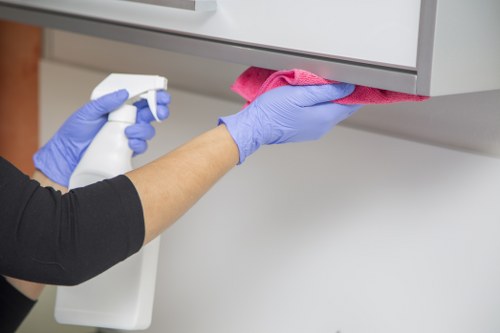
 Every cleaner must follow basic workplace safety rules. This includes wearing suitable personal protective equipment, such as gloves and non-slip footwear, and using equipment only for its intended purpose. Brushes, extraction machines, and hoses should be checked before use to confirm they are in good condition. A strong focus on carpet cleaner health and safety reduces the chance of injury and supports a consistent service quality.
Safe chemical management is a key part of this policy. Cleaning products should be stored correctly, labelled clearly, and used according to instructions. Staff must avoid mixing chemicals unless approved procedures allow it, and any spill should be dealt with immediately using appropriate containment and cleaning methods. In a carpet cleaning safety policy, proper product control helps protect skin, eyes, indoor air quality, and nearby furnishings.
Manual handling must be approached carefully. Moving machines, lifting water containers, and repositioning furniture can create strain if done incorrectly. Staff should use correct posture, team lifting where needed, and mechanical aids when available. This is especially important during larger carpet cleaning operations, where repeated movement can increase fatigue and reduce concentration. A sensible pace and well-organised workflow help maintain safety throughout the job.
 Electrical safety is equally important. Equipment should be inspected for damaged plugs, frayed cords, or loose connections before use. All devices must be kept away from standing water and operated in line with manufacturer guidance. Where extension leads are required, they should be positioned to avoid trip hazards and never overloaded. These steps are central to a reliable health and safety policy for carpetcleaning and help prevent avoidable incidents.
Slip, trip, and fall risks are common during cleaning work, particularly when carpets are left damp or walkways are temporarily restricted. Warning signs should be placed where necessary, and access should be managed until surfaces are safe to use. Hoses, tools, and accessories should be kept tidy and out of footpaths. Good housekeeping supports safer carpetcleaning and reduces disruption for occupants and other workers.
Ventilation and indoor comfort also matter. When using cleaning solutions or operating hot-water extraction systems, adequate airflow should be maintained to support safe working conditions. Windows, doors, or mechanical ventilation may be used where appropriate. Staff should remain alert to signs of irritation, dizziness, or discomfort and stop work if conditions become unsafe. This reinforces the importance of a careful carpet cleaning health and safety approach.
Supervision and training are essential. All workers should receive instruction on safe equipment handling, chemical use, emergency procedures, and incident reporting. New starters should be supervised until they can demonstrate safe working habits. Refresher training should be provided when equipment changes, procedures are updated, or risks evolve. In this way, a carpet cleaner health and safety policy remains current and effective.
Accident and incident reporting must be prompt and accurate. Any injury, near miss, spill, equipment failure, or property concern should be recorded and reviewed so that lessons can be learned. Corrective action may include updating procedures, replacing equipment, or improving supervision. Clear reporting helps strengthen the wider carpet cleaning safety culture and supports continuous improvement.
 Emergency preparedness is another important part of the policy. Staff should know how to respond to fire alarms, chemical exposure, electric shock, flooding, and injury. First aid supplies should be available, and emergency exits must remain unobstructed at all times. If a situation escalates beyond safe control, work should stop immediately and the area should be made secure until it is safe to continue.
 This policy is reviewed regularly to ensure it remains suitable for the tasks undertaken and the risks involved. Changes in equipment, cleaning methods, or workplace conditions may require updates. By maintaining high standards and following this carpetcleaning W1W health and safety policy, the business supports safer work, better organisation, and responsible service delivery across all carpet cleaning activities.