Hard Floor Cleaning in W1W
If you are looking for Hard Floor Cleaning in W1W, you are probably dealing with floors that need more than a quick sweep and mop. In local homes, offices, shops, studios, and managed buildings around W1W, hard floors are part of the first impression every day. They collect dust from busy streets, footprints from constant footfall, marks from furniture movement, and dullness from everyday use. The right cleaning service helps restore a cleaner, brighter finish while protecting the surface beneath.
W1W has a mix of property types and daily activity that can be surprisingly hard on floors. From flats and townhouses near Oxford Street and the quieter residential streets off Great Portland Street, to offices, reception spaces, clinics, and retail units around Marylebone and Fitzrovia, hard flooring sees a lot of traffic. Whether your floor is stone, tile, vinyl, laminate, sealed wood, or another durable surface, regular care matters if you want it to look presentable and last well.
Our hard floor cleaning service is designed for local customers who want a practical result, not a one-size-fits-all approach. The aim is to clean properly, remove built-up grime, and leave the flooring looking fresh without over-wetting, scratching, or using the wrong product on a sensitive surface. Every floor type needs a different method, and that is especially important in a busy central London area like W1W.
Why hard floor care matters in W1W

Hard floors often look simple to maintain, but in real life they gather layers of dirt that routine sweeping cannot fully remove. Fine dust from nearby roads, grit from shoes, accidental spills, and the residue left by everyday cleaners can build up over time. This can make floors look tired, patchy, or slippery. In residential homes, this may affect the feel of the space. In commercial settings, it can influence how clients, staff, and visitors experience the premises.
W1W has a unique rhythm. It is central, well connected, and busy throughout the week. That means floors in apartments, communal hallways, offices, and customer-facing areas are exposed to more foot traffic than many other neighbourhoods. A proper hard floor cleaning schedule supports both appearance and hygiene, especially in properties where entrances, corridors, and shared spaces are used constantly.
Another reason regular floor care matters is protection. Dirt and grit are abrasive. Over time, they can dull polished stone, scratch vulnerable finishes, and wear down protective coatings. When a floor is cleaned the right way, it is not just about looks; it is also about preserving the condition of the surface. That can save time, reduce long-term upkeep, and keep the floor easier to maintain between visits.
What our hard floor cleaning service includes

Every floor is assessed before work begins so the cleaning method can match the surface. A careful approach matters because marble is not treated like ceramic tile, and sealed wood is not treated like vinyl. A good service starts with understanding what the floor is made of, how it is used, and what sort of soil or staining is present.
Typical hard floor cleaning may include a mix of deep cleaning steps, surface preparation, and finishing treatments. Depending on the material and condition, this can involve machine scrubbing, spot treatment, safe detergent application, mopping, rinsing, and residue removal. For some floors, low-moisture methods are best. For others, more intensive work is needed to lift ground-in dirt from textured surfaces or grout lines.
In many properties around W1W, the best results come from combining attention to detail with the right equipment. A small flat near the BBC area may need careful edge cleaning and hallway attention. An office space may need work to remove heavy footfall marks around entrances. A retail unit may need quicker turnaround and minimal disruption. The service should fit the property, not force the property to fit the service.
Common floor types we clean
- Natural stone, including marble, limestone, slate, and granite
- Ceramic and porcelain tile
- Vinyl and safety flooring
- Laminate and engineered wood
- Sealed hardwood and decorative finishes
- Commercial entrance floors and communal areas
How the service works
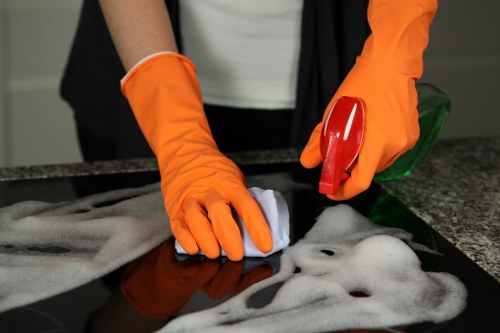
Customers often want to know what happens when they book a floor cleaning visit. The process is usually straightforward, but it is important that each stage is handled properly. First comes the assessment. The cleaner looks at the floor type, condition, size of the area, and any problem spots. This helps decide the safest and most effective cleaning method.
Next, loose debris is removed. This may sound basic, but it is an essential step because dirt left behind can scratch the floor during machine cleaning or mopping. The technician then applies the relevant cleaning solution and works it into the surface using tools that suit the material. For textured or heavily trafficked floors, agitation may be needed to dislodge grime from grooves, joints, or uneven areas.
After cleaning, the floor is rinsed or neutralised as needed, then dried or left to dry in a controlled way. In some cases, additional finishing work may be recommended, such as polishing, buffing, or applying a protective layer. For customers in W1W, this can be especially useful in entranceways, reception areas, and shared corridors where first impressions matter. The best outcome is a floor that looks cleaner, feels fresher, and is easier to maintain.
What you can expect on the day
The cleaner will usually confirm the floor type, discuss access, and explain any limitations before starting. If furniture needs moving, that should be arranged in advance or agreed beforehand. In busy central locations, timing is often planned to reduce disruption to residents, staff, or customers.
Why local knowledge matters in W1W

Local knowledge is more valuable than many customers expect. W1W is not a suburban area with easy loading spaces and wide driveways. It is a central London location where parking can be restricted, building access can be tight, and stair-only properties are common. A local team understands these practical challenges and can plan work around them more efficiently.
For residential customers, this may mean navigating period buildings, shared entrances, and delicate flooring in converted flats. For businesses, it may mean working around opening hours, lift access, security procedures, and customer flow. A cleaner familiar with the area will also understand that one building may have a reception entrance on a busy road while another is tucked away in a side street with limited stopping options.
Nearby areas such as Marylebone, Fitzrovia, Regent’s Park, and the edges of Soho also influence how floor care needs to be delivered. Footfall patterns, property age, and flooring styles can all vary significantly from one street to the next. Choosing a local service means choosing someone who can adapt to these everyday realities.
Benefits of a local hard floor cleaning service
- Better understanding of access and parking restrictions
- Faster scheduling for local homes and businesses
- More suitable methods for period properties and modern developments
- Less disruption for shared buildings and busy commercial spaces
- More practical service planning around central London conditions
Residential hard floor cleaning in W1W

Homeowners and tenants across W1W often want floors cleaned because everyday mopping is no longer enough. Kitchen floors may have dull patches from cooking residue. Hallways may show scuffs from shoes and prams. Living rooms can lose their sheen because of dust accumulation and furniture movement. Bathrooms and utility areas can develop marks around grout and corners that normal cleaning does not fully remove.
In flats and apartments, hard flooring is especially common because it is practical and attractive in compact spaces. But it also means dirt is more noticeable. A well-cleaned floor can make a room feel brighter and more cared for straight away. This is useful if you are preparing for guests, moving in or out, reorganising your home, or simply wanting the space to feel fresher week to week.
Residential customers often appreciate careful work around skirting boards, thresholds, and under furniture edges. These areas collect dust and are easy to overlook during routine cleaning. A professional service pays attention to those details and uses methods suitable for the flooring’s finish. If your home in W1W has tired-looking floors, a proper clean can make a noticeable difference without replacing the surface.
Typical home flooring concerns
- Marks left by shoes, pets, or everyday traffic
- Kitchen build-up from food, grease, and cleaning residue
- Bathroom and utility room grime
- Dullness in hallways and entrances
- Grout staining and edge dirt on tiled floors
Commercial hard floor cleaning for local businesses
Commercial customers in W1W need floors that support a professional appearance. Offices, medical practices, salons, retailers, galleries, and hospitality spaces all have different flooring demands. Some need a clean, polished look every day. Others need periodic deep cleaning to prevent heavy soil build-up in high-traffic zones. In either case, floor care is part of how a business presents itself.
Entrance areas are often the hardest-working part of the premises. They trap dirt from the street, show scuffs quickly, and set the tone for the rest of the building. Reception areas, corridors, kitchens, and washrooms also need reliable maintenance. A good service can be planned around opening hours, quieter periods, or out-of-hours access where needed.
For landlords and managing agents, hard floor cleaning can help keep communal areas presentable and reduce complaints about visible dirt or slippery surfaces. In central London buildings where many people pass through daily, regular care is not just cosmetic. It helps maintain the condition and useability of shared flooring over time. That is especially relevant in mixed-use buildings common around W1W.
Examples of commercial spaces that often need floor care
- Office reception areas and meeting rooms
- Retail units and showrooms
- Medical and wellness practices
- Restaurants, cafés, and customer-facing spaces
- Managed lobbies, lifts, and corridors
What affects pricing factors for floor cleaning?
While exact prices vary from property to property, most customers want to understand what influences the cost of hard floor cleaning. The main factors are usually straightforward. Floor size is one of the biggest considerations, along with the material type and the condition of the surface. A lightly soiled vinyl floor in a small office will need less work than a heavily marked stone hallway in a shared building.
Access also matters. In W1W, limited parking, stair access, and building entry arrangements can affect how the service is planned. The time required, the number of rooms, the degree of stain removal needed, and whether any finishing treatment is requested can also affect the quote. If furniture moving is involved or if the floor requires special care, that may change the amount of labour needed.
It is also important to remember that different materials respond differently to cleaning methods. Sensitive finishes need careful handling, and some floors benefit from specialised treatment rather than a standard wash. A proper quotation should be based on the actual job, not a guess. That is why many customers prefer to request a tailored quote after explaining the floor type and the space involved.
Information that helps provide a more accurate quote
- Floor material and approximate size
- Residential or commercial use
- Current condition and visible problem areas
- Access details, including stairs, lifts, or parking limitations
- Preferred day or time for the visit
Preparation checklist before your appointment
Good preparation helps the service run smoothly and can improve results. Customers do not usually need to do much, but a few simple steps can save time and prevent interruptions. If your property is busy or access is restricted, it helps to plan ahead so the cleaner can begin without delay.
For homes, clearing small items from the floor and removing fragile objects from the work area can be helpful. In offices or commercial premises, it may be useful to notify staff, secure documents, and ensure access to the rooms being cleaned. If there are parking or building entry instructions, these should be agreed before the visit so there is no confusion on the day.
Preparation does not need to be complicated; it simply needs to make the space ready for efficient work. The cleaner can then focus on the flooring rather than moving obstacles or waiting for access. That is particularly helpful in W1W, where time, access, and building logistics often matter.
Simple checklist
- Clear loose items from the floor where possible
- Move breakables or valuables out of the work area
- Confirm access instructions for the building
- Let staff or household members know the timing
- Share any known stains, delicate finishes, or floor concerns
Areas covered around W1W
Customers asking for hard floor cleaning in W1W often also need service in nearby streets and surrounding neighbourhoods. Because W1W sits close to several busy and well-known parts of central London, local visits may cover a wide mix of homes and businesses. This includes areas near Marylebone, Fitzrovia, Oxford Street, Regent Street, and nearby parts of the West End and Camden edges depending on access and job location.
Local customers often search for a cleaner who can handle both small flats and larger commercial spaces in the same area. That flexibility is useful when properties vary from compact top-floor apartments to shared office suites and retail units. A local provider can usually plan more efficiently around central London transport, building access, and street-level constraints.
We also support customers who need repeat cleaning for communal floors, periodic deep cleans for offices, or one-off restoration for home flooring that has become dull or stained. Whether the project is routine or more involved, the goal is the same: a floor that is cleaner, safer, and better presented. Book your service now if your flooring needs attention before the dirt becomes harder to remove.
Useful local property types
- Converted period flats
- Modern apartment buildings
- Managed communal hallways
- Independent shops and studios
- Offices and professional suites
Why choose a professional rather than doing it yourself?
Many people try to manage hard floor care with household products, but that can be risky if the floor is delicate, sealed, polished, or textured. The wrong detergent can leave residue. Too much water can damage certain surfaces. Harsh scrubbing can wear away the finish or leave patchy results. Professional floor cleaning is about using the right combination of solution, agitation, dwell time, and drying method.
Another practical reason to choose a professional is efficiency. Large floors, commercial spaces, or multiple rooms can take a lot of time if done manually. A trained cleaner with the right equipment can often complete the work more effectively, with less disruption and a more even result. This is especially useful where floors need to be presentable quickly for staff, residents, or visitors.
There is also peace of mind in knowing that a floor is being handled correctly. If you have stone, tile, or specialist vinyl, expert care helps avoid unnecessary damage. That matters when replacing or repairing the surface would be far more expensive than regular maintenance.
Frequently asked questions
How often should hard floors be professionally cleaned?
It depends on traffic and floor type. Homes may only need occasional deep cleaning, while commercial premises, entrances, and shared spaces may benefit from more frequent care. High-traffic floors in W1W often need attention sooner because of constant use and central London dirt.
Can you clean delicate or older flooring?
Yes, but it depends on the material and condition. Older or more delicate floors need a careful assessment first. The cleaning method should be matched to the finish so the surface is not damaged.
Do I need to move furniture first?
Small movable items are often best cleared in advance, but larger furniture may be discussed during booking. In some cases, it can be worked around; in others, access is needed so the entire area can be cleaned properly.
Will the floor be slippery after cleaning?
The aim is to leave the floor clean and safe, with appropriate rinsing and drying as part of the process. The exact drying time depends on floor type, ventilation, and the method used.
Do you handle both homes and businesses in W1W?
Yes. Many local customers are either residential or commercial, and each setting has its own needs. Offices, retail premises, communal spaces, and private homes can all benefit from the right flooring care.
Can you help with floors that look dull but are not obviously dirty?
Yes. Dullness is often caused by residue, wear, and layered grime rather than visible dirt alone. A deep clean can often improve the appearance significantly, depending on the floor’s condition.
Choose a service that fits your property
When you are comparing options for hard floor cleaning in W1W, focus on practical fit. Does the provider understand your floor type? Can they handle the building access? Do they offer a method suited to your specific surface rather than a generic wash? These questions matter because flooring is an investment, and proper care helps protect it.
The best service should feel straightforward from enquiry to completion. You should be able to explain what needs cleaning, mention any problem areas, and receive a sensible quote based on the actual job. If your floor is in a high-traffic entrance, a busy office, or a compact flat with tricky access, local experience makes the process easier. Request a free quote and arrange a visit when it suits your schedule.
Whether you need a one-off deep clean or regular maintenance, a reliable local team can help keep your flooring looking better for longer. That is valuable in W1W, where properties are used heavily and presentation matters every day. Clean hard floors do more than improve appearance; they help keep the whole space feeling cared for.
Final note for local customers
If your hard floors are showing signs of traffic, staining, or dullness, now is a good time to act. Contact us today, request a free quote, and book your service now so your flooring gets the attention it needs.